AI Changed Everything. Clients Still Want It to Look Real.
Abel Riojas, Rio Grande Valley Commercial & Headshot Photographer
AI has changed the creative world faster than anyone expected.
It’s everywhere now—writing copy, generating images, building concepts, filling decks.
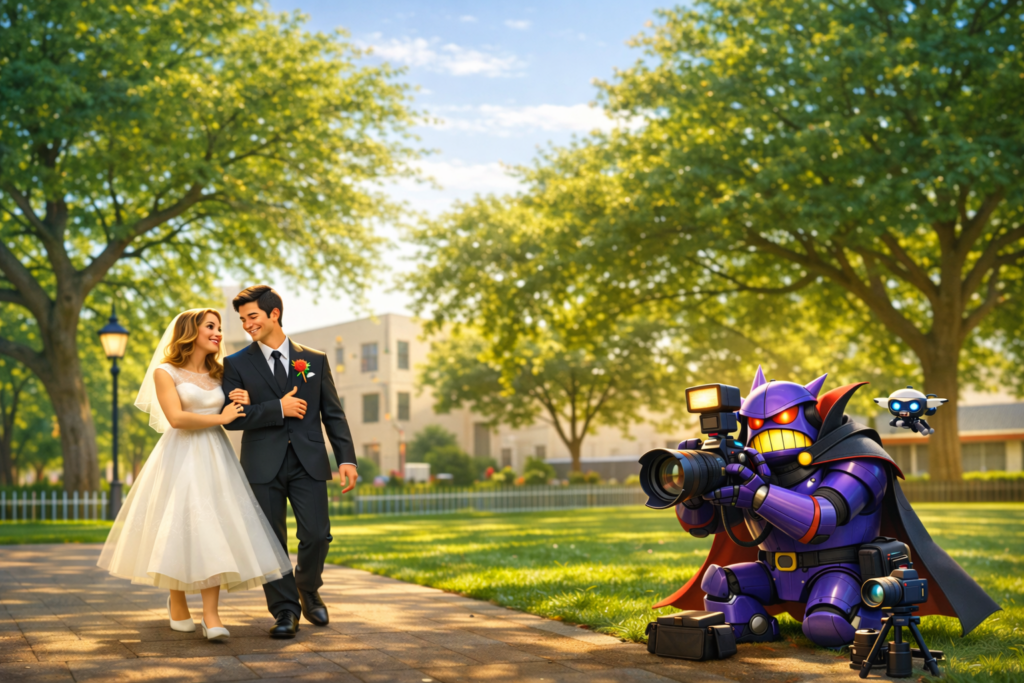
As a commercial photographer and headshot photographer in the Rio Grande Valley, I see AI references constantly in briefs and visual direction.
But there’s one thing I hear from clients over and over, regardless of industry:
“I don’t want it to look fake.”
Sometimes they say it another way:
“I don’t mind a little adjustment—I just want it to look like me.”
That distinction matters.
The Issue Isn’t AI. It’s Believability.
AI is very good at producing images that look impressive at first glance. – Sharp. Clean. Polished.
But polished isn’t the same as believable.
Many AI-generated visuals feel generic, over-smoothed, or disconnected from reality. Even when people can’t articulate what’s wrong, they feel it immediately.
For businesses, that matters.
Credibility matters.
No brand wants its marketing to feel artificial—especially in professional headshots, branding photography, or advertising where trust is part of the message.
Clients Aren’t Anti-Editing. They’re Anti-Losing Themselves.
Most clients aren’t asking for “no retouching.”
They’re asking for restraint. We’ve all seen the photo of someone you know and you can tell right away that “it’s not them”
In my commercial and headshot work across McAllen, Mission, and the greater Rio Grande Valley, clients want images that feel:
- Polished, but human
- Confident, not overproduced
- Real, not synthetic
They want to recognize themselves in the image.
That balance doesn’t come from a preset or an AI prompt.
It comes from experience and judgment.
When Anyone Can Generate an Image, Taste Is the Difference.
AI has raised the baseline.
Technically competent images are easy to generate now.
What’s not easy is knowing:
- What matters in the frame
- What to leave alone
- When an image stops feeling true
That’s where professional photography still wins.
The value isn’t the camera or the software.
It’s the decision-making.
Real Photography Carries Intent.
A real photograph carries intent:
- Intentional lighting, not just brightness
- A real moment, not a composite
- A subject responding to a person, not an algorithm
That intent shows up—even if viewers can’t explain why.
It’s why many brands are quietly pulling back from AI-heavy visuals and returning to real photography for headshots, branding, and advertising.
“Sameness” doesn’t build trust.
Consistency and authenticity do.
The Bottom Line
AI isn’t going away. It will keep improving and to me that’s a good thing as long as it’s not dominating the narrative / photo message.
But clients still want images that feel real, credible, and personal.
Trying to compete with computers on speed or cost is a losing game.
Competing on judgment, taste, and understanding people isn’t.
Clients don’t want fake.
They want real—with intention.
That hasn’t changed.